Desert Mode
On

Festival

“Desert Mode” evokes the moment when our daily “feed” noticeably slows down: less automatic scrolling, more mindfulness toward what happens beyond the screen. The desert is key here—not as a spectacular landscape, but as a kind of silent room, where we can clearly see how we manage our attention in everyday life.

In a world where the internet is increasingly enclosed within narrow, formatted ecosystems, the desert setting allows us to examine what genuinely sparks our curiosity—and what merely serves as flashy filler. It’s not about abandoning technology, but about experimenting with a different way of engaging with its flow. Instead of constant notifications and endless content streams, we open up space for a slower rhythm and a deeper awareness of our own priorities.

The exhibition features site-specific works, performances, and multimedia forms that don't offer ready-made answers but invite personal reflection. Where is the line between useful information and sensory overload? What is attentional freedom when we momentarily stop reaching for the next update?

“Desert Mode” can be compared to dreaming: in moments when constant stimuli are turned off, the mind gains space to freely process content that our daily routines leave no room for. Even subtle phenomena—like the wind or a change in light—become more vivid, reminding us of how much we lose by staying in standby mode all the time.

In this context, the desert becomes a symbol of a place stripped of traditional labels. It can be a space of renewal, or a mirror showing how easily we grow accustomed to solutions designed for us, rather than by us. Or a kind of anechoic chamber, where we become aware of how thin the line is between a natural need for information and the never-ending noise that fills our days.

The artists invited to take part in “Desert Mode” work across various fields: from objects and sculptures to interventions, site-specific works, and multimedia projects with a research-artistic approach. In their practices, they emphasize the importance of place and space, giving them a special role. Here, in the desert landscape, they confront silence and the consciousness of the viewer, highlighting the relationship between physical matter and virtual format. When digital projection meets the rough texture of sand, it’s not a clash of opposing worlds but rather a mutual entanglement. In a space where virtual images blend with the material ground, a new quality emerges—a kind of fluid transition between the tangible and the digital. We ourselves define the rules of this coexistence: we can consciously merge the potential of technology with physical presence, allowing both worlds to open up a broader field of expression—without canceling each other out. In this way, the online world does not eliminate the offline one, but complements and enriches it with new experiences and perspectives.

Is the desert an end or a beginning? Noviki, in “Desert Mode”, suggest that this question is irrelevant in the face of the ongoing exchange between the digital and natural realms. What matters more is catching the moment when we consciously choose where to direct our attention. Maybe that’s when we truly discover who we are—when no one is feeding us the next impulse.

Ultimately, “Desert Mode” encourages us to look at our “attention economy” in a different light—not by cutting ourselves off from technology entirely, but by nurturing a rhythm that feels natural to each of us. Because maybe it’s not about switching everything off, but about learning how to shift between worlds without losing ourselves in the process.

We invite everyone (July 5–6 / Błędów Desert) to switch into — “Desert Mode.”

More

Artists

Art

Students of SWPS, Maciej Siuda, Krzysztof Pijarski

Desert Mode | Flying (Post)Identity

project description

Flying (Post)Identity explores contemporary strategies of identity construction. The project’s starting point is a reflection on how the “self” manifests today—not as a monolithic structure, but as a dynamic and processual network of relationships and changing perspectives. The students collaborating on the project attempted to answer questions like “where is the self?” or “how does the self appear?” instead of the traditional “who am I?” or “what is the self?”

In the first step of this journey, we immersed ourselves in reflection on contemporary strategies of identity construction. Inspired by concepts of profilicity (Hans-Georg Möller) and the post-individual (Yancey Strickley), we understood that in the era of social media and second-order observation, identity is shaped not only and not so much through identification with a specific role or as a result of searching for one’s “true” self, but through curating multiple profiles functioning in various, often unrelated social spheres. Another reference point for us was the inquiry of Gilles Deleuze and Felix Guattari, who in Anti-Oedipus proposed the disintegration of fixed categories of self. Their concept of desiring machines describes subjectivity as continuous flows and connections rather than a fixed whole. This fragmentary nature of the self was reflected by the group in drawings-diagrams, treated as tools for and of thinking that not only map the complexity of contemporary identity structures but also attempt to capture their processual and relational character.

The next step was designing flags, inspired by Władysław Hasior’s banners. Hasior drew from both military signs of belonging, designating specific units and families, and from folkish floats used in religious processions. The students took on the challenge of questioning the traditional function of flags, which typically serve unambiguous identification. In contrast, their projects express dispersion, ambiguity, processuality, variability, and relationality, resonating with Deleuze and Guattari’s anti-Oedipal stance that questions rigid binary oppositions. Inspired by the diversity of forms in Hasior’s work, the students experimented with materials and shapes, and worked with different qualities and connotations of matter, trying to convey the multidimensionality of contemporary identity.

The presentation of these banners will take place during a march/procession, loosely referencing Władysław Hasior’s performative gestures. Like Hasior, who engaged the local community, the students want to create a space for collective reflection on identity through this performative gesture. Their gesture questions the traditional understanding of flags as symbols of fixed values and belonging, proposing new forms and expressions that respond to the fluid and dynamic identities of the present.

curators

Krzysztof Pijarski

Maciej Siuda

participants

Robert Bolinski

Zo Dobrowolska

Kacper Donimirski

Mikołaj Faron

Aleksandra Gackowska

Ryszard Grygiel

Jakub Jankowski

Anzhalika Kazlouskaya

Amelia Kluziak

Paulina Łukasiewicz

Jonatan Majewski

Polina Maksymenko

Helena Mierzwiczak

Zofia Rybińska

Zuzanna Sołtysiak

Lix Szulc

Jakub Zawadzki

More
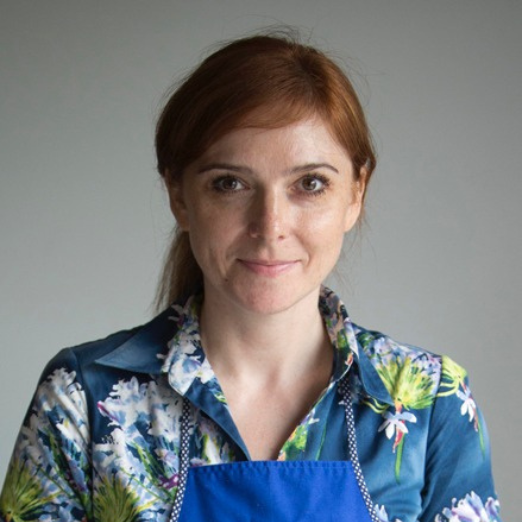
Dagna Jakubowska


Founder of the House of Culture and Nature “Ferment” and the “Nowa Przestrzeń”
Foundation. A visual artist, theatre director, producer, entrepreneur, activist – working at
the intersection of art, performance, scientific research and social activism, investigating
interspecies relations, the politics of food, food-related processes, and the politics of
everyday life. In her projects ("Future Bread", "The Edible Map of Migration", "Tasting
Power. The Politics of Food Diplomacy", "Kitchen Summit", "The Ukrainian Herbarium"),
kitchen becomes a political, innovative, subversive and performative space - for debate
and reflection on politics, economics, ecology, history, migration and ethics related to
domestic work.


She is also a co-founder of the social enterprise "The Ferment Traveling Kitchen".
Together with Aleksandra Jach and Aleksandra Hirszfeld, she is the author of the project
"Collective Wisdom: Cooking Up Solutions" dedicated to the practice of collective
leadership.

More
Iza Koczanowska

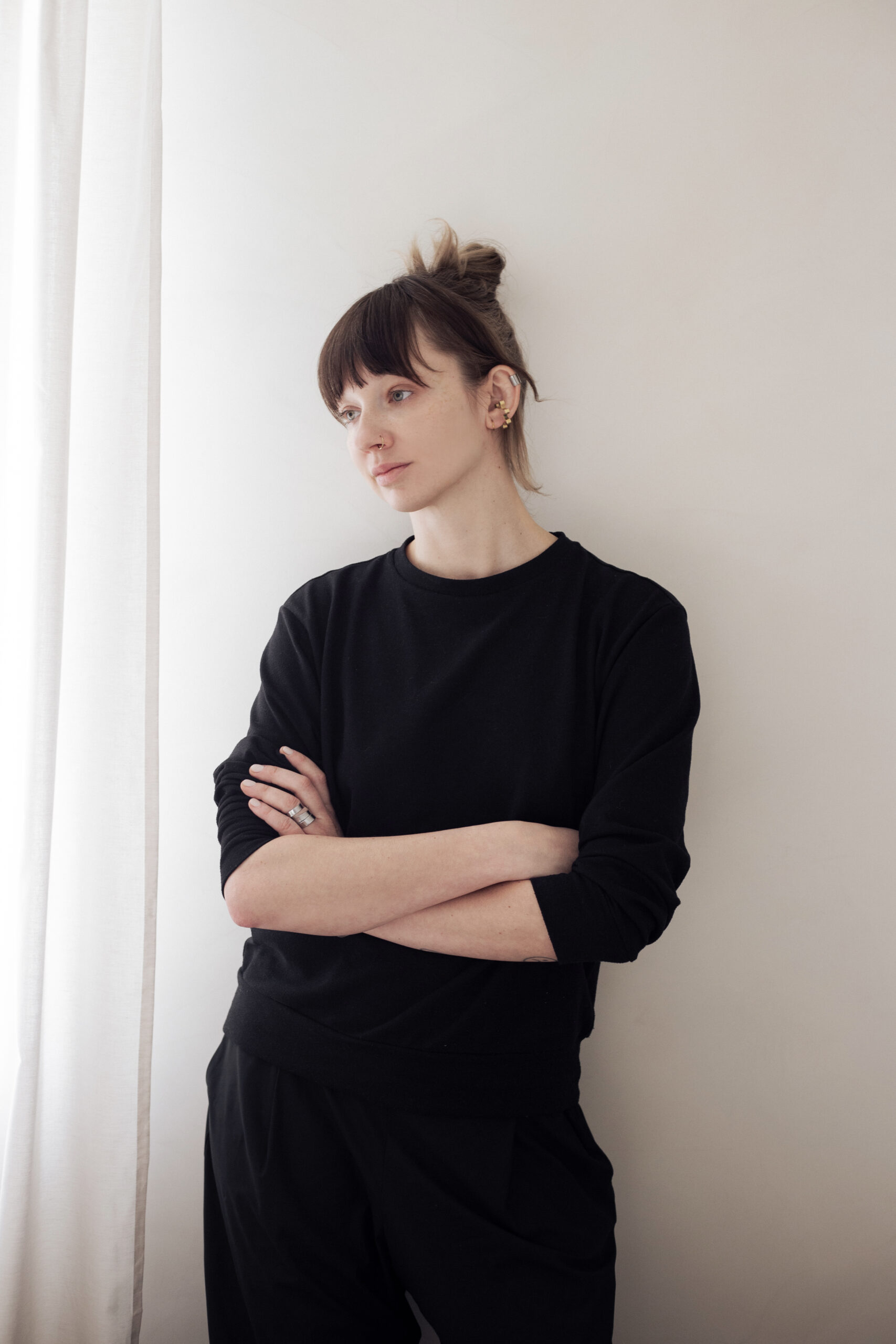
Iza Koczanowska (b. 1988) is an interdisciplinary artist and interior architect whose practice combines research, archival materials, and spatial design strategies. She carries out her projects in specific locations, embedding them within sociological and geopolitical contexts, which determine both the materiality and medium of each work. Her practice explores themes such as rituals, superstitions, automation of individual behaviors, and the complex ways in which different entities cope with reality. In response to these observations, Koczanowska creates alternative realities and imaginaries, seeking new models of relationality in time and space that resist neoliberal power mechanisms and unfold through practices of alternative tourism and affect as a tool of therapeutic transformation.

Her works have been presented at exhibitions such as the Fringe Festival in Warsaw (2024), Black Holes at the Centre for Contemporary Art in Toruń (2023), the International Biennale of Interior Architecture (2022), the Festival of Excess (2019), and the In Out Festival at CCA Łaźnia in Gdańsk (2019). She has participated in residency programs including Snehta Residency in Athens (2022) and Sesama Art Residency in Yogyakarta, Indonesia (2020). She is currently developing her graduate project at MIARD in Rotterdam, focused on material and affective disturbances in touristic landscapes, with sea foam as a point of speculative environment.

izakoczanowska.studio
instagram.com/islaparadis

More
Noviki, kuratorzy

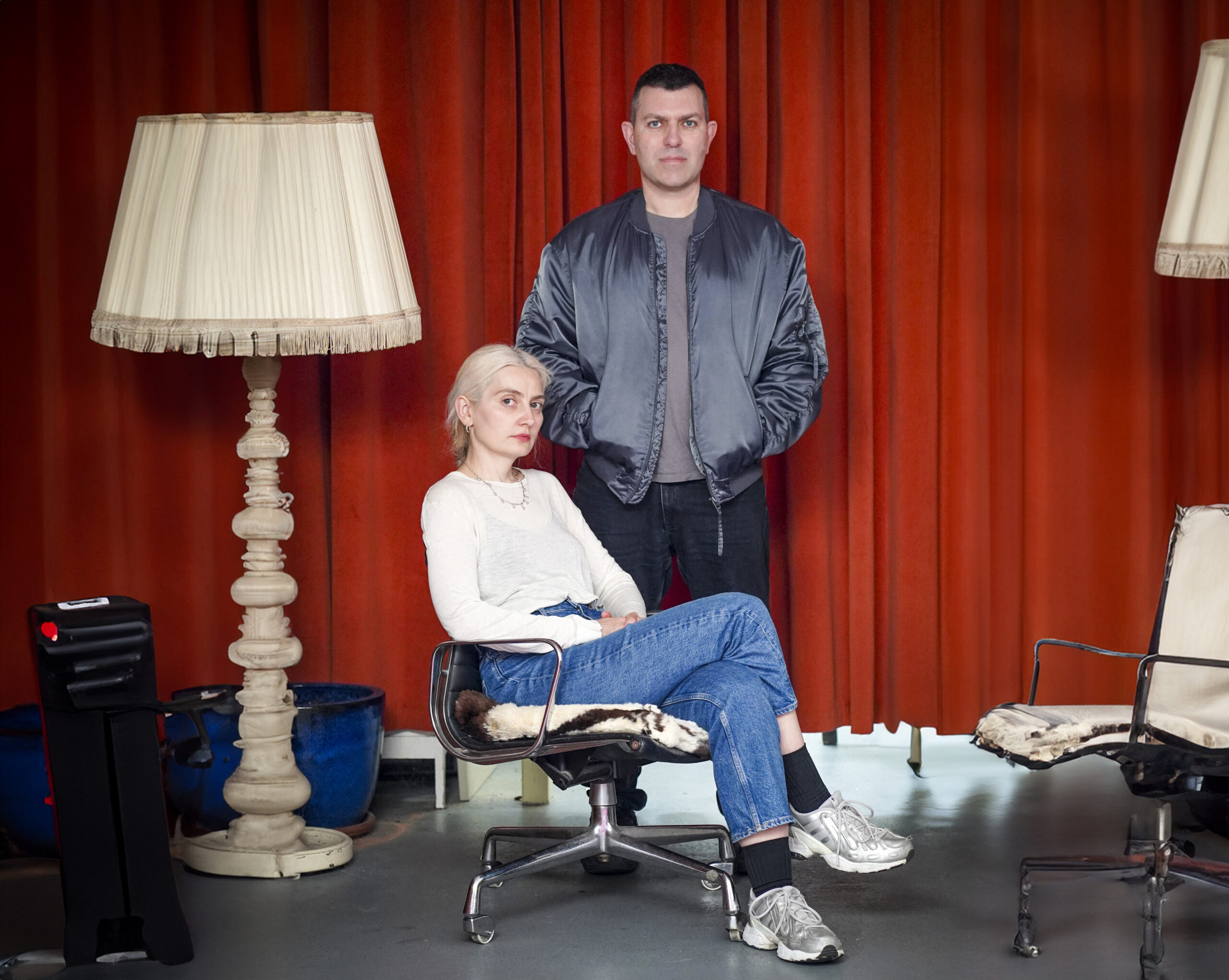
Noviki is an interdisciplinary artistic duo operating at the intersection of contemporary art, cultural research, and technology. Working in a post-studio model, Noviki focus on analyzing complex systems—informational, social, and aesthetic. At the core of their practice lies an interest in how technology organizes our experience—both visual and cognitive.

Their projects often take on speculative, research-based, or performative forms, ranging from exhibitions, spatial interventions, and scenographies to publications and educational initiatives. Noviki work across both institutional and independent contexts, engaging with topics related to perception, the architecture of knowledge, and the relationship between physical and digital realities.

They have collaborated with institutions such as the Museum of Modern Art in Warsaw, Het Nieuwe Instituut (Rotterdam), Chelsea College of Arts (London, UK), the Royal Academy of Art (KABK), as well as various interdisciplinary artistic and research platforms. In “Desert Mode”, they create a space that doesn’t isolate itself from technology, but rather offers a new perspective on it—beyond the feed, beyond the interface, and closer to the self.

www.noviki.net

More
Krzysztof Maniak

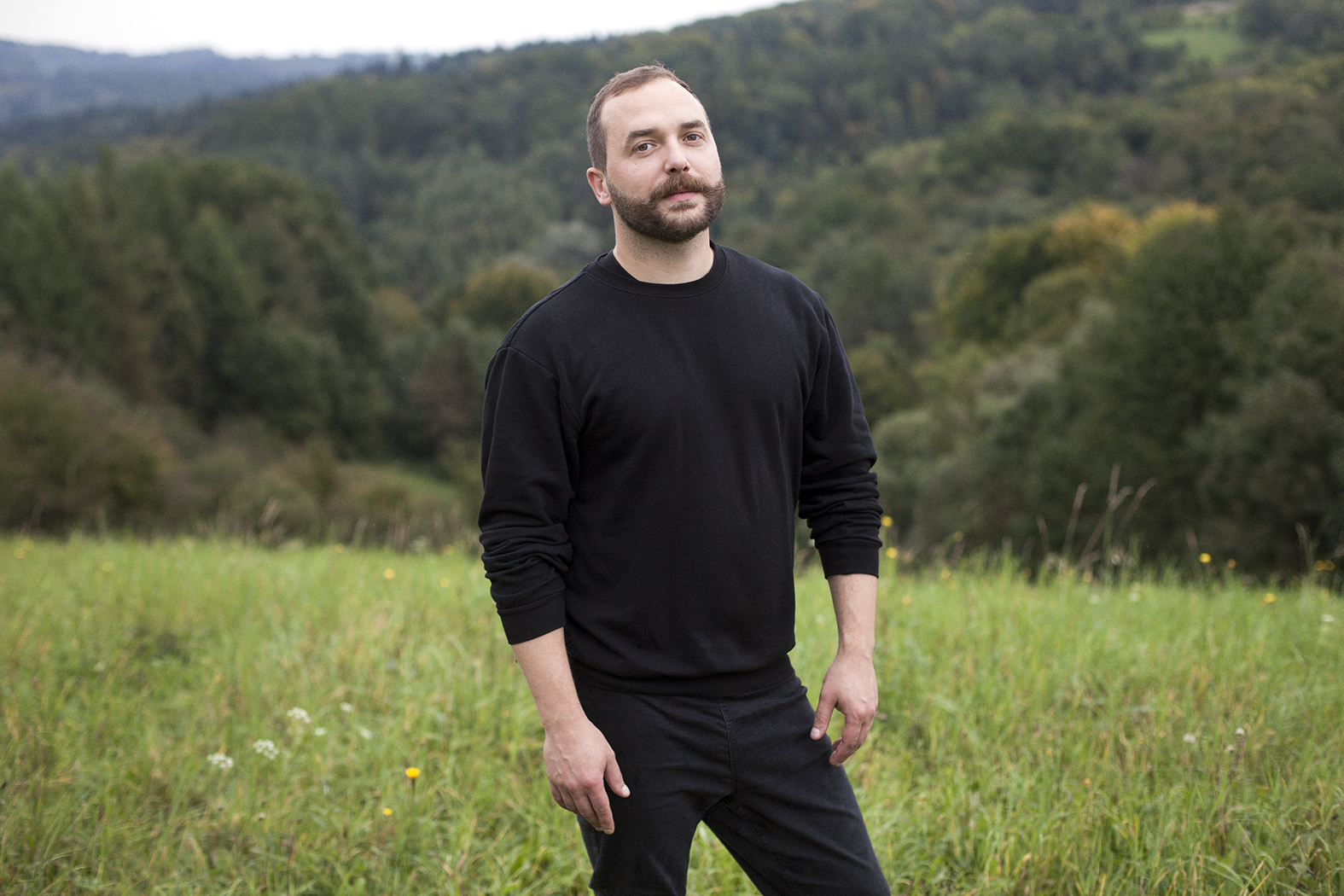
Krzysztof Maniak (b. 1990) – his artistic practice is rooted in actions carried out in the landscape. His works most often consist of subtle, simple gestures and interactions with nature, such as stroking moss, bark, or snow, climbing trees, or searching for a distance between two trees that matches the length of his body. The artist creates during his walks through the forests, meadows, and hills of Tuchów, where he lives. These places serve both as the backdrop for his actions and as material for temporary installations and sources of props used in performances.

He is a graduate of the Faculty of Intermedia at the Academy of Fine Arts in Kraków, and since receiving his doctorate in 2018, he has been affiliated with the Department of Intermedia Art Phenomena at the same institution (currently serving as Vice-Dean of the Faculty of Intermedia).

He is the recipient of numerous awards, including the 14th edition of the Artystyczna Podróż Hestii competition, the Grand Prix of the 5th Spring Salon organized by BWA in Tarnów, and the 10th edition of Spojrzenia – a competition organized by Zachęta – National Gallery of Art.

His works have been exhibited at the Museum of Modern Art in Warsaw, SALT Ulus gallery in Ankara, BWA Katowice, BWA Tarnów, Bielska BWA Gallery, BWA Municipal Gallery in Bydgoszcz, Biała Gallery in Lublin, Baltic Gallery of Contemporary Art, State Art Gallery in Sopot, Gallery El Art Center in Elbląg, the Gallery of Contemporary Art in Opole, MOCAK – Museum of Contemporary Art in Kraków, and as part of the Postartistic Congress in Sokołowsko.

Portrait photo: Maciej Landsberg

More

Music

Dobrawa Czocher 

CELLIST AND COMPOSER DOBRAWA CZOCHER RELEASES HER DEBUT
ALBUM, DREAMSCAPES
The album, out via Modern Recordings on the 23rd January 2023, explores the
magic and meaning of unconscious states.
Around the world, dreams have long fascinated artists and inspired their creative
pursuits. How these fictions of the unconscious mind can feel both phantasmagorical
and real, how they’re able to twist, bend and expand time itself, or the relation that they
may carry to our waking life are questions that have inspired the likes of Debussy to
Dalí to Kafka. Likewise, these musings have served as the starting point for Dobrawa
Czocher’s debut album, fittingly titled DREAMSCAPES. For it, the Polish cellist and
composer takes listeners on a journey through unconsciousness exploring through
sound the mystical richness of reveries.
At the ripe age of just 30, Czocher already has an accomplished career in music. After
having graduated from two prestigious music universities - Chopin University of Music
in Warsaw and Hochschule für Musik in Detmold - she went on to become a member of
Junge Deutsche Philharmonie and later the principal cellist of the Neue Philharmonie
Berlin as well as the soloist at Szczecin Philharmonic. During those demanding years,
Czocher acquired a deep understanding of the classical repertoire and excelled as a
leading cello player. It was together with good friend and fellow Pole pianist, Hania
Rani, however, that Czocher first ventured into composition. The duo's first
collaborative project “Biała flaga” would go on to truly change the musician’s
perspective from being solely concentrated on developing instrumental skills to wanting
to express herself more freely and the resulting album was highly-acclaimed in Poland
as well as catching the attention of critics abroad. This was followed by Czocher and
Rani’s second album, “Inner Symphonies” which went on to be released by Deutsche
Grammophon and achieve worldwide recognition. Apart from Czocher’s obvious
technical prowess with the cello, which she has been developing since age 7, it is the
naturality with which she mixes philharmonic music with more alternative approaches
to recording and sound that have really captured the public’s imagination so
far. DREAMSCAPES showcases just how comfortable the cellist is at oscillating
between classical and contemporary music, and it’s possible to hear within the music
influences that range from Brahms to Philip Glass to GoGo Penguin. For the album,
Czocher worked with German producer Niklas Paschburg, who employed layering
techniques to lend a cinematic quality to the music.
Although not strictly linear, the 10 tracks on DREAMSCAPES do follow a natural order.
The journey begins with ‘Prologue’, which with its high flageolets open up wide,
spacious sounds that allude to the act of falling asleep and entering the world of
dreams in all its limitless wonder and mystery, “The feeling and atmosphere suited to
an opening, not knowing yet what sort of adventure is still ahead to experience,” says
Czocher of the piece. The music gently lures listeners into this alternate universe, with
repetitive motifs, improvisational arpeggios, mysterious basslines and glissandos
painting increasingly fantastical landscapes with every new track. As cinematic as the
music is, it also goes beyond visuals to touch and ponder on deep feelings. On
“Forgive”, Czocher touches dark depths of the soul, as if she were questioning the
very meaning of dreams and how they may serve their beholder in mysterious ways,
“Are we able to work on our subconsciousness in a dream? Maybe sleeping is a
moment when we are actually connecting with it and it gives us special possibilities to
work on inner dilemmas?” wonders the composer. Drawing clearly from Glass’ string
quartets, the piece uses repetition as a way to hypnotically draw listeners deep into
these reflections as well as her soundworld.
While the first half of the album is given mainly to the creation of rich atmospheres,
colours and textures, the second half of DREAMSCAPES is where the action really
kicks off. “Voices” is undoubtedly the climax of the journey - multi-layered and complex,
the piece offers a kaleidoscopic vision of musical motives “like many voices which are
trying to push us in some or another way,” adds the cellist. The fast and dynamic
nature of the piece is given by a light playing technique called the detache bow stroke,
which yields a dramatic effect - not quite nightmarish but certainly bewildering. The
piece is followed by “Lullaby” which provides a much-needed relief. Long, peaceful
and lyrical, the piece is an ode to the universally accessible magic of slumbers. There’s
a clarity to the cello’s voice here, as if it were pointing to the truthfulness, even if
ephemeral and fugitive, that dreams can provide. “Prayers” carries forward the lyrical
nature of “Lullaby”, yet an intensity, built with arpeggios, starts to simmer around the
melody. Immersing listeners in a trance-like state, the piece meditates on the journey
so far with Paschburg’s providing the spiritual inflections of the
piece. DREAMSCAPE's last piece, “Epilogue” is the only piece on the album with no
post-production at all. “Epilogue” represents a return to waking state, a sobriety that
lacks the full-blown fantasy of dreams, where Czocher uses pizzicato lines on the cello
to simply sing the melody.
This return to “reality” isn’t fully restrained however, it wraps up the album with more
questions than conclusions. “What happened in a dream, are we still there? Are we the
same people? Did it change us? Where did we go?” provokes Czocher.

More
Jonathan Castro Alejos

Jonathan Castro Alejos is a Peruvian multidisciplinary artist and graphic designer based in Amsterdam. Working across sound, video, installation, and performance, his practice explores the tension between the real and the imagined. Through a process of collecting, layering, and reconfiguring raw materials, he constructs immersive visual and sonic worlds. His recent release, Radiance Loops, continues this exploration—merging field recordings, lo-fi loops, and textured soundscapes into a meditative reflection on material and space.

More

#ecology #psychology

Szymon Bujalski

— creator of the profile “Journalist for the Climate,” followed by 30,000 people on Facebook and 60,000 on Instagram. Twice nominated for the Woyciechowski Award in the Journalist for the Planet category (2023 and 2024). Author of the book “Recipe for a Better Climate. Healthier Cities for a Sick World.” Publishes in outlets such as Nauka o Klimacie, OKO.press, Interia, Wirtualna Polska, and Onet.

“I keep working to try to contribute to something good. But my sense of agency is curled up in a corner, crying.
To find a healthier perspective, I still appreciate what I have — from electricity in the socket to a safe country. But I no longer have the conviction I once did that I will have these things forever (...).”

“No matter how justifiably we complain about what humanity is doing... We won’t manage without other people.
Others, but similar. With whom we feel comfortable, can talk openly, without hiding emotions out of fear of being mocked or dismissed.
People who encourage us to change for the better. Who will lend a hand when we fall. Who give a sense of community (...).”
We recommend his moving post “About a Broken Man” from February 10, 2025, on @dziennikarz_dla_klimatu — because this is exactly what Law of the Desert is about: meeting in truth and hope.

We will meet with Szymon Bujalski on the desert to talk about the mission of caring for nature, especially in moments when strength is lacking — and about how to regain it.

More
Wojciech Kolęda

Architect. Graduate of the Warsaw University of Technology (Faculty of Architecture).
Winner of architectural competitions, including the Manifest of the Young Architect 2019. Since 2018, he has been creating architectural concepts for the Arche Group and private clients. He has worked on projects such as the revitalization of Żnin Sugar Factory, nominated for the EU Mies Award, as well as Uphagen Manor in Gdańsk, the Royal Paper Factory in Konstancin, and the Aircraft Factory in Mielno. An active participant in the international dialogue on the future of the architectural profession in the context of the climate crisis.

"Designing in the Spirit of Zero Waste. Circular Architecture."

Law of the Desert

The accelerating climate catastrophe demands change. Changes we must be ready for — and that cannot happen without the involvement of all participants in the world of design, architecture, and art. By coming together and sharing best practices, we aim not only to point toward the future directions of design and architecture but, above all, to inspire and encourage the creation of new strategies for implementing responsible change.

Discussion: Marcin Szczelina, Architecture Snob / Wojciech Kolęda

Photo: Bartek Barczyk

4o

More

Program

5.07

6.07

A program as a unified narrative in the rhythm of DESERT MODE

12:00 — GRAND OPENING
12:10 — FLAG PARADE across the desert to the festival grounds
12:20 — Curatorial tour with Noviki
12:30–13:30 — Artist talks at the art exhibition
13:30Circular architecture in Desert Mode — on a new way of thinking, designing, and being
14:30 — Jonathan Castro / performance
15:30 — Panel on mental health in Desert Mode: The art of switching during crisis
16:30 — Cafe MINT
17:30 — Ferment dinner – The bread of the future
18:30 — Dionizy Wincenty Płaczkowski / concert
19:30 — Dobrawa Czocher / concert
20:30 — Pantha du Prince / concert
22:00 — Night in the desert / fire ceremony / stargazing


9:00 — Breakfast in the desert
10:00 — Yoga in the desert
11:00 — Conversations with special guests
13:00 — Curatorial tour with Noviki
14:00–19:00 — Artist talks at the art exhibition, workshops and partner activities, aromatherapy
19:00–FINISH — Desert Mode in everyday life

Law of the Desert – a unique, recurring festival on the largest desert in Europe. It features an art exhibition, concerts, workshops, nighttime gatherings on the Błędów Desert, and experimental zones exploring ecological, cultural, and existential themes.

A green festival, created with respect for the Błędów Desert and its surroundings.
A sober festival, free from alcohol and substances.
A unique experience aligned with the idea of #luxuryisnature—a mindful disconnection from information overload to reclaim one’s own rhythm. It’s not about escaping technology but about consciously switching to desert mode and rediscovering what truly sustains us.
The Błędów Desert will become a place for global dialogue on climate change and the search for harmony between the digital and natural worlds.

Festival Zones:

Desert fire kitchen – plant-based cooking over an open fire
Desert Kids – eco activities for children (free entry for kids under 8)
On Lemon x Sober – premium non-alcoholic cocktail tastings
Wellness – yoga, aromatherapy


Get there

See you at the Błędów Desert by the Rose of the Winds, entrance from Bolesławska Street.
rulesticketstransportation

All roads lead to the desert—by coach, car, bus, or train to Olkusz, from where shuttles will depart directly to the Błędów Desert on July 5th and 6th. Parking near the desert is limited (additional fee applies).

Coaches from Warsaw, Kraków, and Katowice – more information here: transportation

We are gradually revealing the people who will help shape this unique festival.


Accommodation

ACCOMMODATION

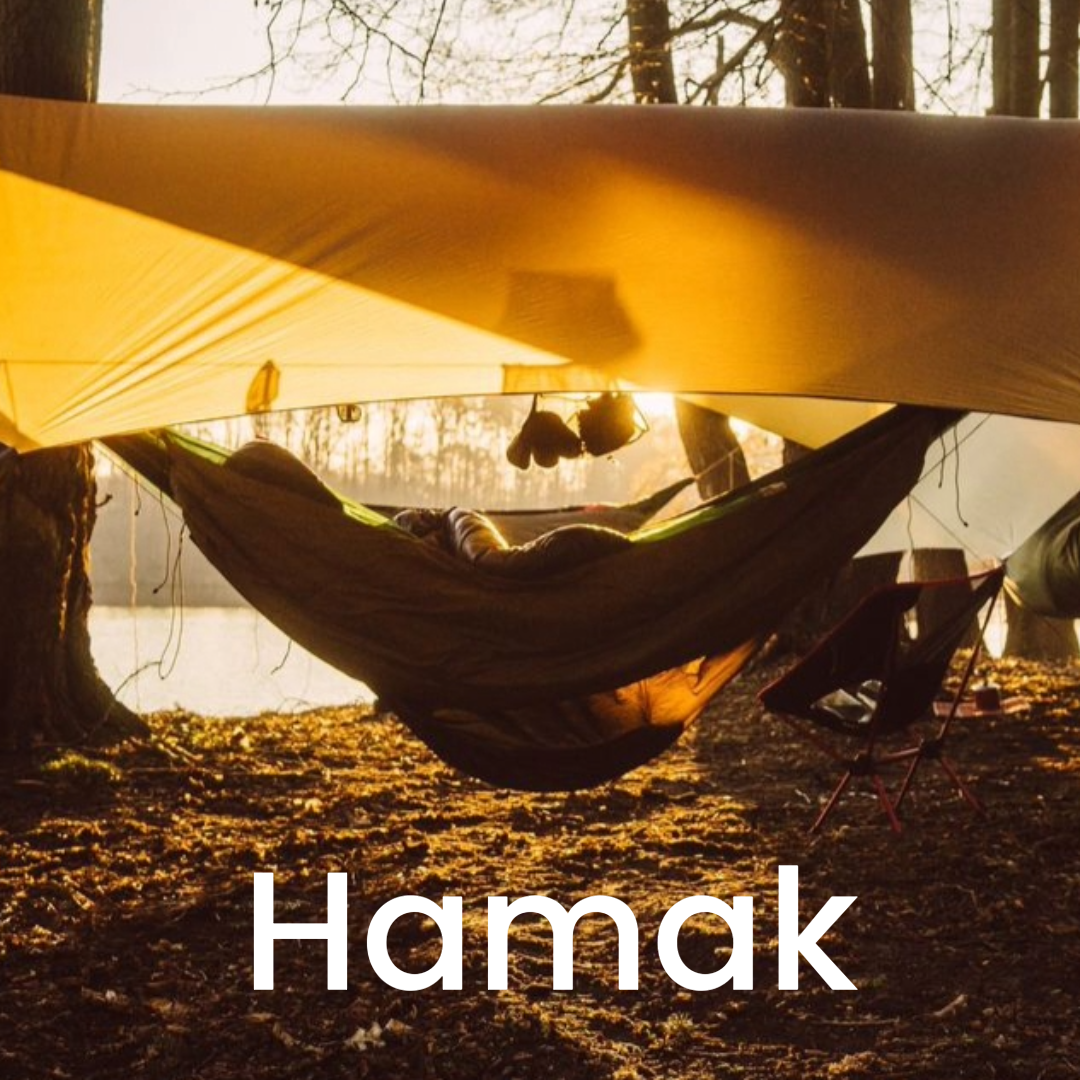
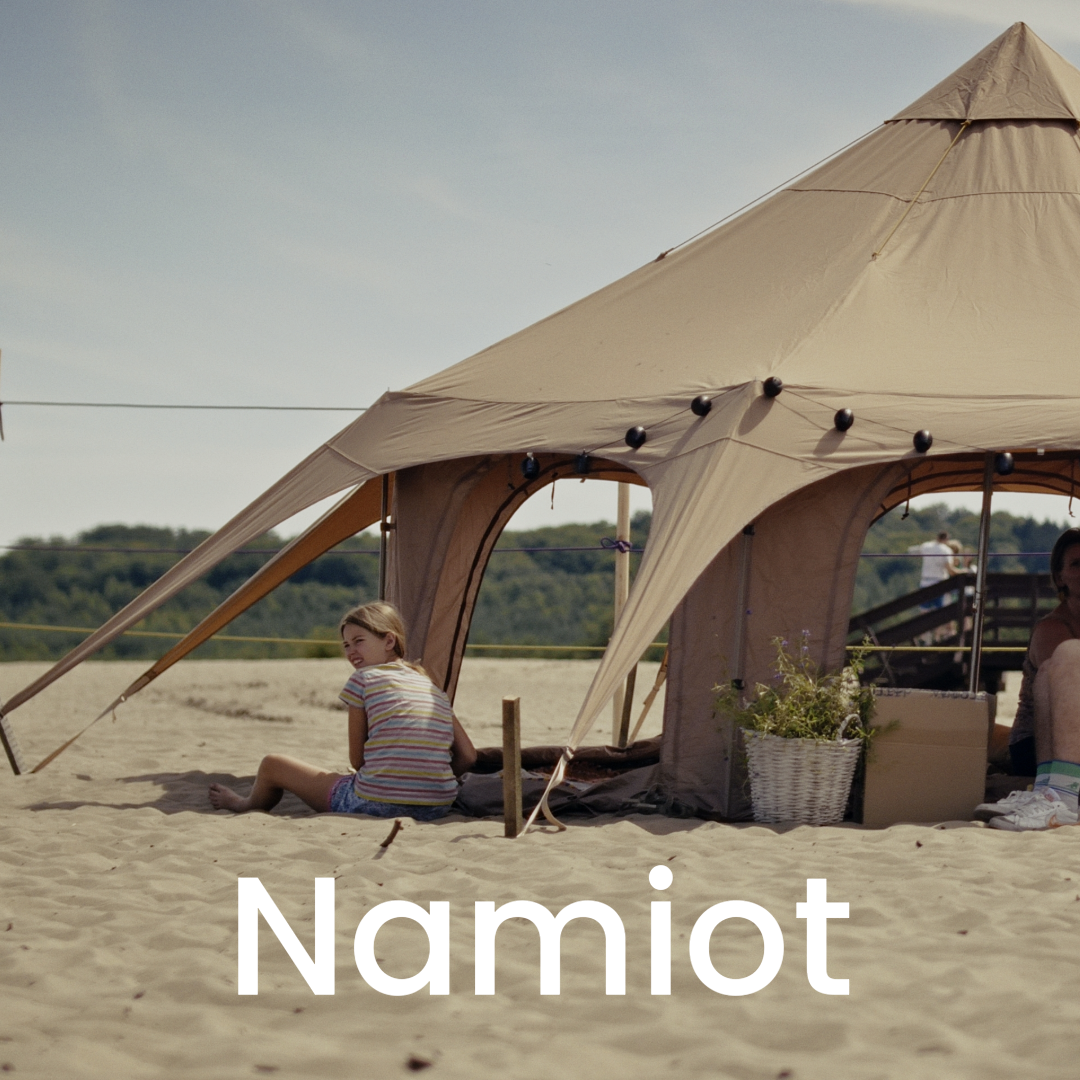
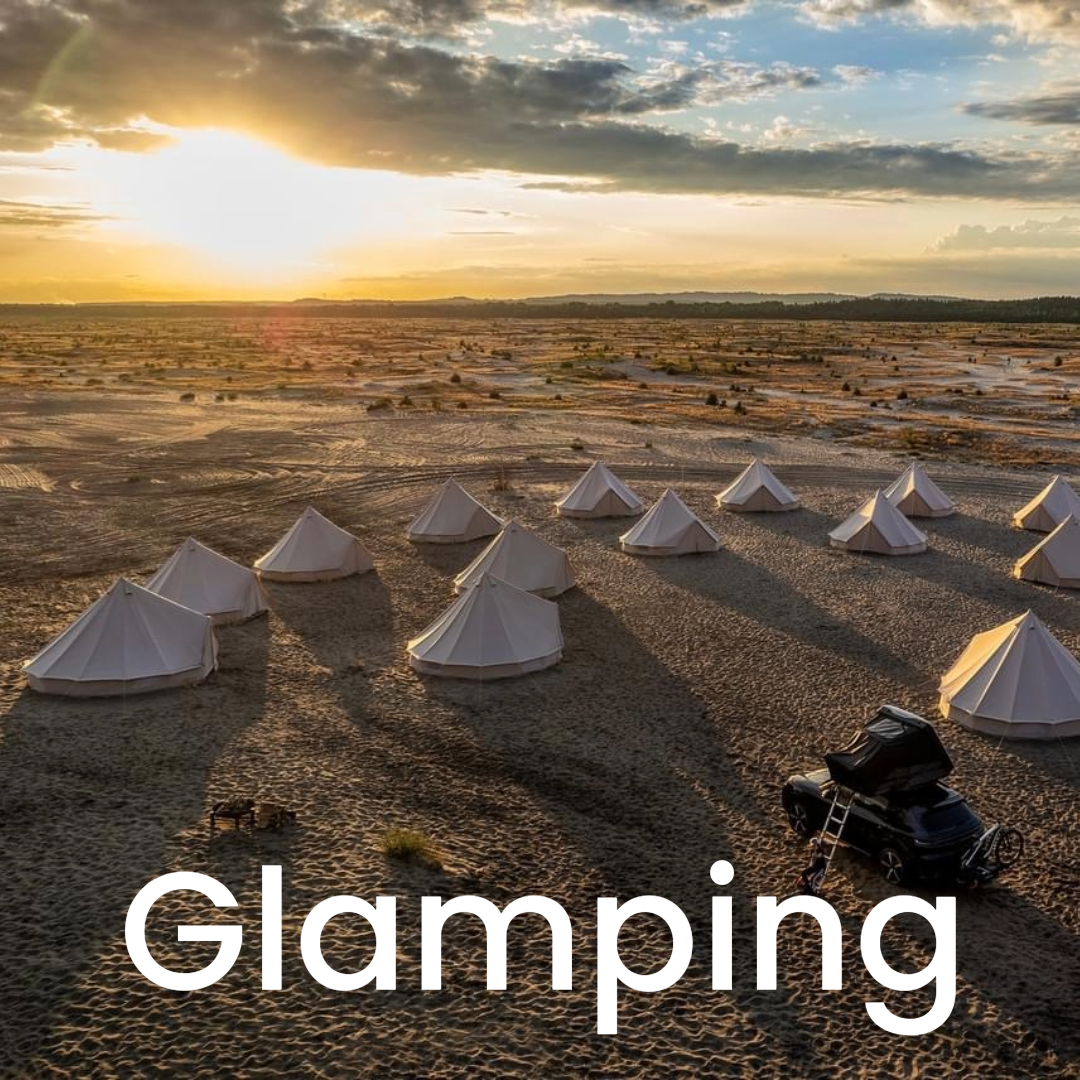
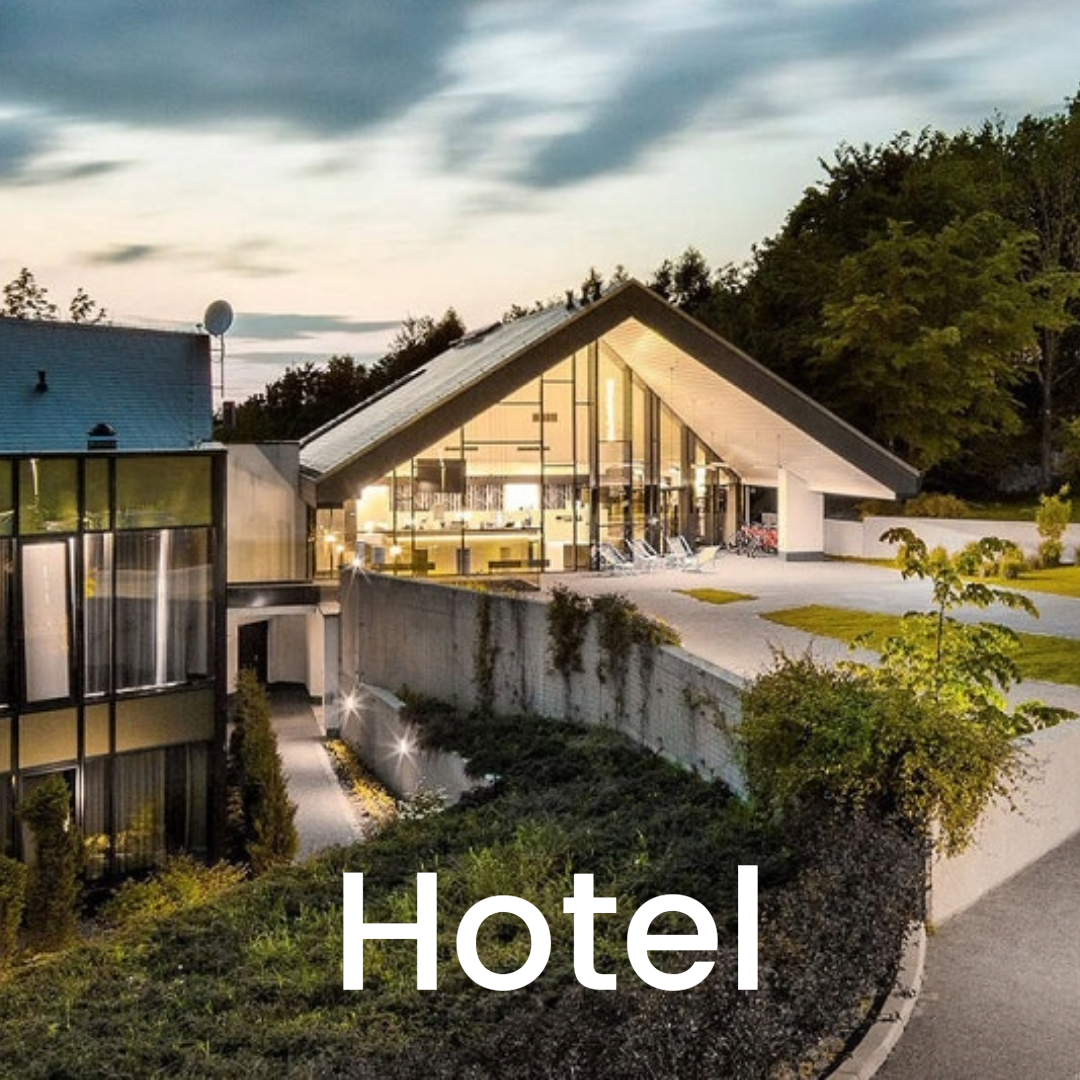
To spend a NIGHT IN THE DESERT, you need to purchase a camping ticket—this secures a spot for one person at the designated campsite on the Błędów Desert, with access to sanitary facilities. You're not just booking a place; you're buying an extraordinary experience of spending a night in the desert. More information here: campsite.

NIGHT IN THE DESERT – This year, we are enhancing this unique experience by offering:


partners:
sponsors:
media patrons:
arrow-down linkedin facebook pinterest youtube rss twitter instagram facebook-blank rss-blank linkedin-blank pinterest youtube twitter instagram